When Childhood Struggles Are Invisible
Life was not as easy for me as it may have appeared from the outside. While my basic needs—food, shelter, education, and financial security—were always met, I experienced a different kind of struggle growing up. It was internal, difficult to explain, and largely invisible to others.
I was born into a middle-class family where my parents did their best to provide everything I needed. Materially, I lacked nothing. Emotionally and internally, however, I was navigating experiences I did not know how to communicate or make sense of.
Growing Up as a Highly Sensitive Child
From an early age, I was unusually sensitive to people and environments. I could deeply sense emotions, feel physical discomfort that others carried, and perceive realities that were not visible to most people. This included seeing and hearing what I experienced as non-physical beings. At times, I had what I understood as invisible friends.
At the time, such experiences were not openly discussed. Today, conversations around emotional sensitivity, intuition, and perception in children are more common. During my childhood, however, there was little language or acceptance for these experiences, which made them even more isolating.

Trying to Talk About What I Was Experiencing
I attempted several times to explain my experiences to my parents. I shared that I could see and hear people without physical bodies. Their response came from concern and practicality—they reassured me that nothing was there and encouraged me to rest.
While their intentions were loving, I felt unheard. When a child’s inner reality is repeatedly dismissed, confusion and self-doubt can quietly take root.
School Life and Social Isolation
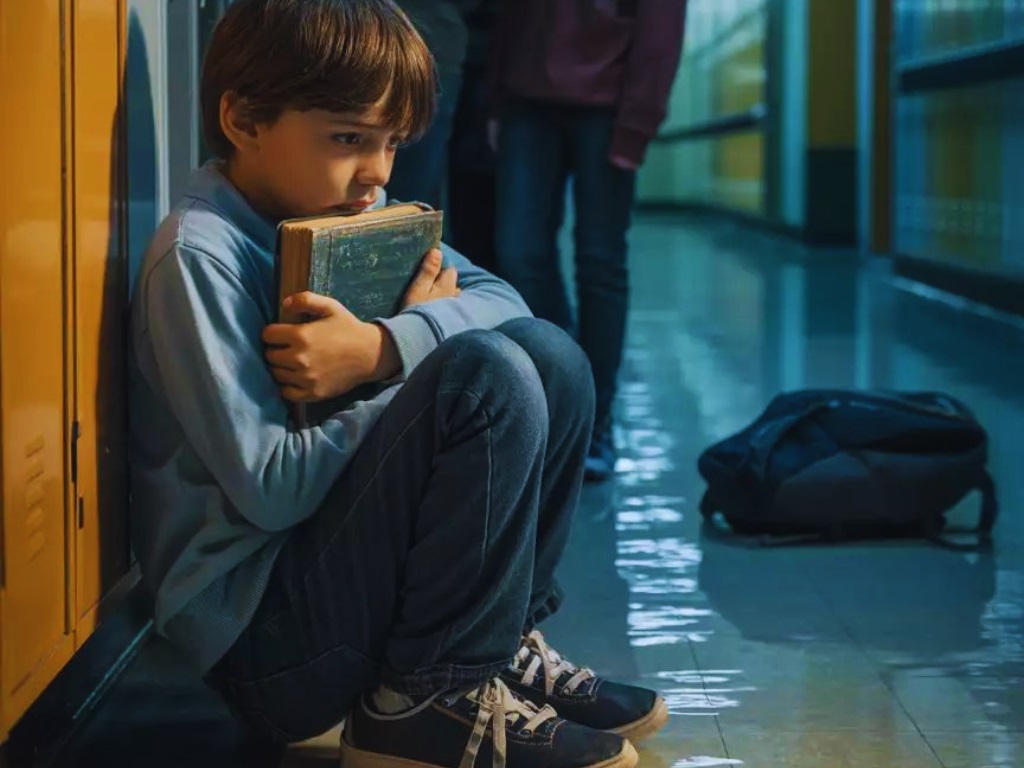
School offered little relief. I struggled to form close friendships, not because I lacked interest in people, but because I was focused on understanding my internal world while trying to keep up with a fast-moving external one. I carried these experiences silently, without a safe space to talk about what was happening within me.
Why I Am Sharing This Story Now
A recent experience brought these memories into focus. I was contacted by parents from Thapar University whose child experienced a three-hour dissociative episode, without the influence of alcohol or drugs. Understandably, they were deeply concerned. When I connected with the child, I recognized familiar patterns. She had heightened sensitivities and intuitive capacities that she had been suppressing since childhood. Like many sensitive children, she stayed silent out of fear of being misunderstood or judged. She also noticed that her emotional state shifted quickly when she absorbed the moods and emotional environments of others—something common among emotionally sensitive and intuitive individuals.
What Years of Working With Children Have Taught Me
Over the years, I have worked with many children and families facing similar challenges, including my own child. These experiences have shown me one consistent truth: when children are supported rather than dismissed, they learn to navigate their sensitivities in healthy and grounded ways. When children are not given language or guidance for their experiences, they often internalize anxiety or confusion. Awareness and open communication make a profound difference.
A Message to Parents of Sensitive and Intuitive Children
If you are a parent, my request is simple: create a safe space for your child to talk openly—without immediate judgment or dismissal. When a child shares unusual perceptions or heightened awareness, it does not automatically mean they are imagining things or seeking attention. Many children are naturally intuitive, empathetic, or emotionally perceptive. These qualities can become strengths when acknowledged and guided appropriately. Different cultures and traditions recognize non-physical or intuitive awareness in various ways—psychological, emotional, or spiritual. Regardless of interpretation, the most important response is curiosity, patience, and support.
Supporting Your Child’s Inner World
With the right tools and guidance, children can learn to:
✱ understand their sensitivity
✱ set emotional and energetic boundaries
✱ feel confident in everyday life
✱ integrate their experiences in a balanced way
There are resources and educational programs, such as Talk to the Entities, designed to help individuals develop awareness and clarity around these experiences in a grounded and empowering manner.
Final Thoughts: Listening Changes Everything
Children do not need to be corrected for being different. They need to be listened to. When parents choose understanding over fear and conversation over control, they give their children something essential: trust. And with trust comes clarity, resilience, and emotional strength